
The Cultural & Social Impact of Inclusive CSR Practices Across Diverse Global Communities
 Corporate Social Responsibility (CSR) has changed dramatically over the years, especially during the global pandemic. What was once often treated as a marketing exercise or philanthropic add-on has become a critical part of how organisations operate, lead, and engage with society. Throughout my career, I have always focused on advocating for CSR practices that are not only responsible but also inclusive and culturally aware.
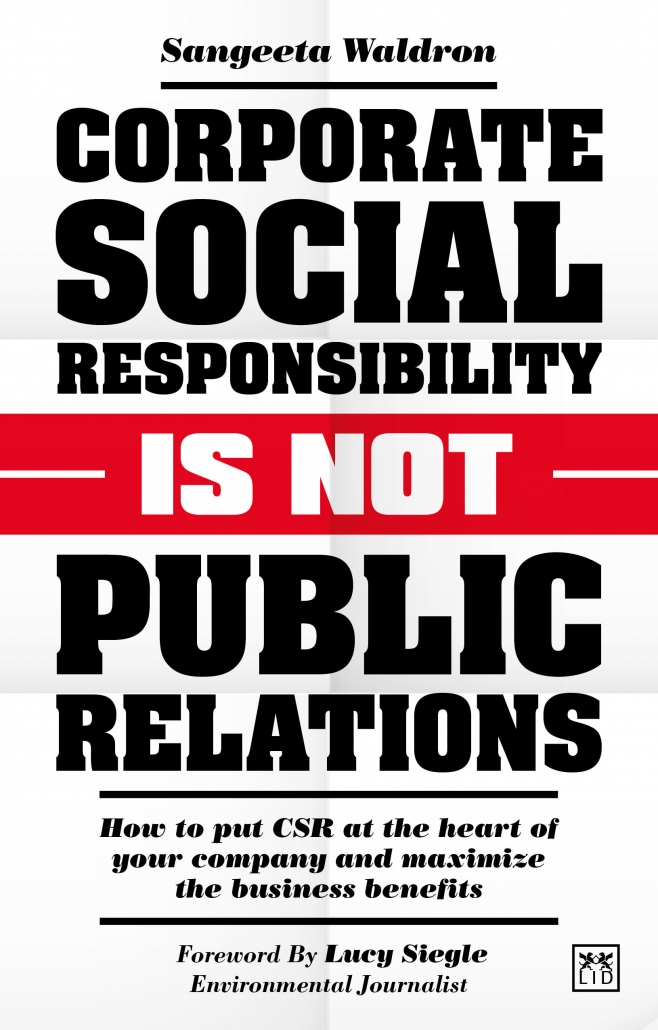
In my book, CSR Is Not PR, I explore the importance of moving beyond performative corporate messaging and towards genuine responsibility. Businesses today operate across borders, cultures, and communities, and because of this, CSR needs to be rooted in authenticity, cultural understanding, and a real commitment to social impact.
Why Inclusive CSR Matters
One of the key themes in my work is the importance of inclusivity in CSR. When companies expand internationally, they often encounter communities with very different social structures, cultural traditions, and priorities. A one-size-fits-all CSR strategy rarely works.
Organisations need to take the time to understand the communities they are operating in, which means listening to local voices, engaging with community leaders, and recognising the diversity within those communities. Inclusive CSR is about ensuring that initiatives are relevant, respectful, and genuinely beneficial for both parties.
When businesses involve local stakeholders in shaping their initiatives, they build trust and create programmes that are far more impactful and sustainable.
The Role of Cultural Intelligence in CSR
It is also important for companies to develop greater cultural intelligence in their CSR strategies. Cultural awareness is not simply about avoiding mistakes; it is about recognising the richness and diversity of the societies they are interacting with and considering the cultural context of their actions. CSR programmes should reflect local values and social realities rather than imposing external frameworks that may not resonate with communities.
In CSR Is Not PR, I discuss how meaningful CSR requires businesses to move away from superficial branding exercises and instead embed responsibility into the heart of their brand and corporate culture. When companies genuinely understand the local areas in which they operate, their initiatives become far more powerful and effective.
Creating Meaningful Global Impact
CSR has always been about long-term impact. Responsible businesses have the potential to support communities, contribute to social progress, and address global challenges. But this only happens when CSR is approached with authentic commitment.
Over the years, I have worked with organisations to help them think more strategically about their social impact. This includes encouraging transparency, accountability, and sustained engagement with communities rather than short-term campaigns designed primarily for visibility. True CSR requires businesses to ask deeper questions about their role in society and how they can contribute positively to the world around them.
Looking Ahead
As global challenges continue to evolve, the need for responsible corporate leadership has never been greater. I firmly believe that businesses can be powerful forces for good when they embrace inclusive and culturally informed CSR practices.
My work continues to focus on helping organisations understand that responsibility is not simply about reputation. As I explain in CSR Is Not PR, CSR should be embedded in how a company thinks, operates, and engages with the world.
When businesses commit to authenticity, respect cultural diversity, and genuinely collaborate with communities, CSR becomes more than a strategy; it becomes a pathway to lasting social impact.
