Posts

The Trust Files #1: Why Trust Is the Most Valuable Currency in Business Today

When I worked in the UK government writing ministerial briefings and speeches, every statement and every piece of data had to be verified. Nothing went unchecked. Everyone took responsibility for the information they provided by signing it off, creating a clear chain of accountability.

It wasn’t always the quickest process, and it was long before the convenience of email and instant messaging. But there was a respect for accuracy, attention to detail and the truth.

That experience has stayed with me throughout my career.

Today, when I work with organisations, I occasionally see leaders trying to cut corners. Often it’s done with the best intentions: to move faster, meet deadlines or reduce costs. But shortcuts create opportunities for misinformation, inconsistency and mistakes. Over time, they erode something far more valuable than efficiency: trust.

Trust is one of the greatest assets a business can have. It attracts talented people, strengthens customer loyalty, builds confidence with partners and investors, and protects an organisation’s reputation when challenges arise. It isn’t a communications campaign or a marketing slogan; it’s a business strategy.

I explore this in my book Corporate Social Responsibility Is Not Public Relations; trust cannot be manufactured. It is earned through consistent actions, transparent communication, and leaders who do what they say they will do.

The good news is that building trust doesn’t have to be complicated or expensive. It requires commitment, clear processes and a culture where accountability is everyone’s responsibility. That means putting frameworks in place, encouraging openness and ensuring that people across the organisation understand not only what the business stands for, but how those values are reflected in everyday decisions.

One area that is often overlooked is internal communication. Organisations spend significant time and money communicating with customers yet forget that trust begins with their own people. Employees who understand the organisation’s purpose, values and direction become its most credible ambassadors. Without that internal foundation, external messaging can quickly lose its authenticity.

Trust isn’t built by one department or one leader. It is created collectively, through thousands of decisions and interactions every day.

Because in business today, trust isn’t just a nice-to-have. It is your most valuable currency.

The Trust Files is a monthly series exploring the role of trust in leadership, communications, reputation, and business.

If someone experienced your organisation today, as a customer, employee or partner, what would make them trust you?

The Trust Files: Why am I writing The Trust Files?


Over the past three decades, I’ve worked across government, global organisations, the private sector and purpose-led businesses. One lesson has remained constant: organisations succeed or fail on trust.

Trust influences reputation, attracts talent, strengthens customer relationships, reassures investors and gives leaders credibility. Yet, despite its importance, it is often treated as something intangible, something that belongs to communications rather than business strategy.

I don’t believe that’s true.

Through The Trust Files, I’ll be exploring how trust is built, how it can be lost and, most importantly, what leaders and organisations can do to earn it every day. Drawing on my own experience, current events and examples from around the world, this series will look beyond headlines to examine why trust has become one of the most valuable assets any organisation can possess.

Because trust isn’t built overnight. It’s earned through the decisions we make, the stories we tell and the actions we take.

Coming next: The Trust Files #1: Why Trust Is the Most Valuable Currency in Business Today.

Purpose-Driven Communication and Sustainable Branding in Global Markets


In today’s rapidly evolving global landscape, purpose-driven communication and sustainable branding have become essential for organisations seeking to build trust, credibility, and long-term influence. As the founder of Serendipity PR, I have always believed that communications should go beyond visibility and that it should create meaningful impact.

Businesses today operate in an environment where audiences expect more than traditional marketing. Consumers, investors, and stakeholders increasingly want to understand a company’s values, environmental commitments, and its broader role in society. This shift has made purpose-led communications and ESG (Environmental, Social and Governance) -focused storytelling central to how organisations connect with global audiences.

Why Purpose-Driven Communication Matters

Purpose-driven communication enables brands to communicate not just what they do, but why they do it. When a company’s mission, actions, and messaging align, it creates authenticity, and authenticity builds trust.

At Serendipity PR, our work focuses on helping organisations clearly articulate their purpose. This means developing strategic communications that highlight genuine commitments to sustainability, social responsibility, and positive change.

Rather than simply adding sustainability language to marketing campaigns, purpose-led branding requires a deeper alignment between business strategy and communications. When done effectively, it strengthens brand reputation, builds credibility, and creates stronger relationships with stakeholders.

Sustainable Branding in a Global Marketplace

Working across international markets has reinforced an important lesson: sustainability and brand purpose must resonate across cultures and regions.

While environmental and social priorities may vary globally, the demand for responsible and transparent organisations is universal. Businesses that integrate sustainability, ESG principles, and responsible leadership into their branding are increasingly recognised as forward-thinking and resilient.

Strategic communications play a crucial role in ensuring that these commitments are communicated clearly and authentically. By tailoring narratives for different audiences while maintaining a consistent global message, organisations can successfully engage stakeholders across markets.

The Role of Strategic PR in ESG and Sustainability

Public relations today sits at the crossroads of brand reputation, sustainability, and corporate purpose. Effective ESG communications help organisations demonstrate accountability while also highlighting their positive contributions.

Through strategic storytelling, businesses can share how they are addressing issues such as:

  • Climate action and environmental responsibility
  • Ethical supply chains
  • Social impact and community engagement
  • Responsible leadership and governance

These narratives not only strengthen brand perception but also inspire wider conversations around positive change.

The Future of Sustainable Communications

Looking ahead, the future of global communications will be defined by transparency, responsibility, and purpose. Organisations that integrate sustainability into their business strategy and communicate it authentically will be best positioned to thrive in an increasingly values-driven marketplace.

For me, communications has always been about storytelling. But the most powerful stories are those rooted in real action and genuine impact.

At Serendipity PR, our mission is to help organisations tell those stories; stories that connect with global audiences, inspire trust, and contribute to a more sustainable future.


Photo Credit: https://sustainability-directory.com/ 

Status Row And The Talisker Whisky Atlantic Challenge


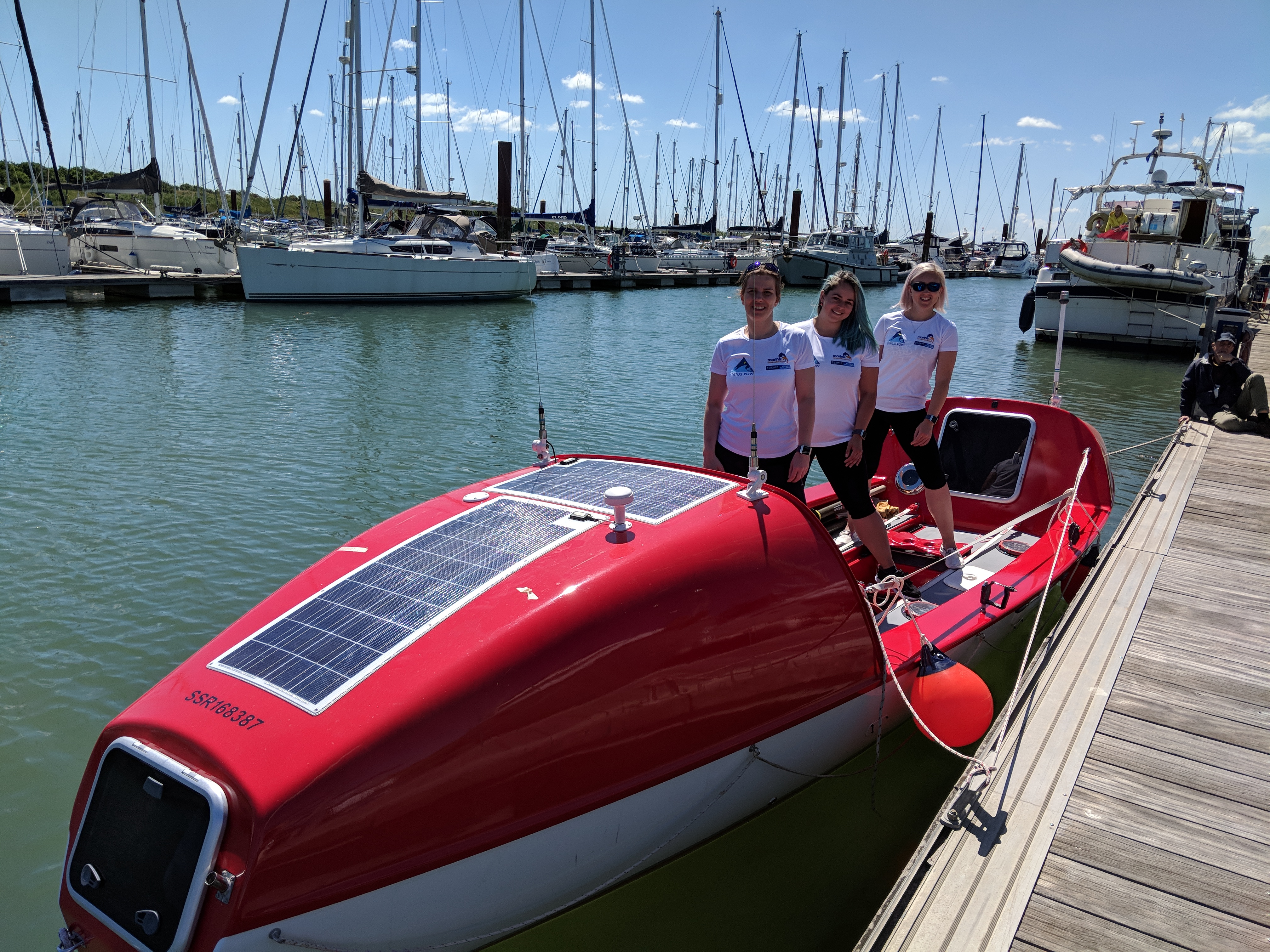
It is always good news when you can reveal a new client, but it is even better when you can announce a new client, who is making a difference and is big on purpose…and I am delighted that Serendipity PR is working with three female rowers, Caroline, Jess and Susan, who together are Status Row.

Status Row is participating, as the only trio female rowing team in this year’s well-known Talisker Whisky ​Atlantic Challenge, the premier event in ocean racing and the world’s toughest challenge – 30 crews from around the world competing to cross 3000 miles of ocean, powered only by their own strength and determination.

If that wasn’t a mission enough?!, Status Row also want to break the world record both for men and women, and plan to row across the Atlantic in 50 days! The current male record is 51 days and for women it is 60 days.

​Status Row are rowing for the highly-respected charity the​ Marine Conservation Society and want to raise awareness about the plastic pollution affecting our seas, oceans and marine life. Status Row have always been committed to the issues surrounding sustainability and the environment. They really want to make a difference to the planet.

By day, Caroline, Jess and Susan are London office workers, who came together as rock climbers. They are now being trained by Olympic rower, Guin Batten. They have their boat and will ​set sail this December and are looking for sponsorship, to raise as much money for the Marine Conservation Society and have got off on to a good start and been supported by businesses and individual supporters; which ​includes business woman Deborah Meaden, who is also on the BBC TV show Dragon’s Den.

Right now, it is estimated 12.7 million tons of plastic – everything from plastic bottles and bags to microbeads – end up in our oceans each year. That’s a truck load of rubbish a minute. Sadly, and disturbingly, this plastic is turning up in every corner of our planet – from beaches, to uninhabited Pacific islands. It is even found trapped in Arctic ice.

Our oceans are slowly turning into a plastic soup and the effects on ocean life are chilling. Big pieces of plastic are choking and entangling turtles and seabirds and tiny pieces are clogging the stomachs of creatures who mistake it for food, from tiny zooplankton to whales.

Plastic is now entering every level of the ocean food chain and even ending our plates, which why what Status Row is doing is so important and there is a big Return on Investment for companies who sponsor them, as your logo will be on the boat and will be seen by a global viewing audience, giving a brand international reach and brand association as the official broadcast partner is The National Geographic.

Crucially, it will also mean that your company will also be part of this great sustainability awareness campaign to rescue our oceans and marine life; and is also why Serendipity PR has also decided to be a sponsor.

Like everyone, we have all watched Sir David Attenborough’s Blue Planet and this is a topic high on the news agenda and in the public consciousness. Let’s act together and get behind Status Row. For sponsorship opportunities drop me a line at sangeeta@serendipitypr.co.uk