
We Don’t Talk Enough About The Impact Of War On Climate Change
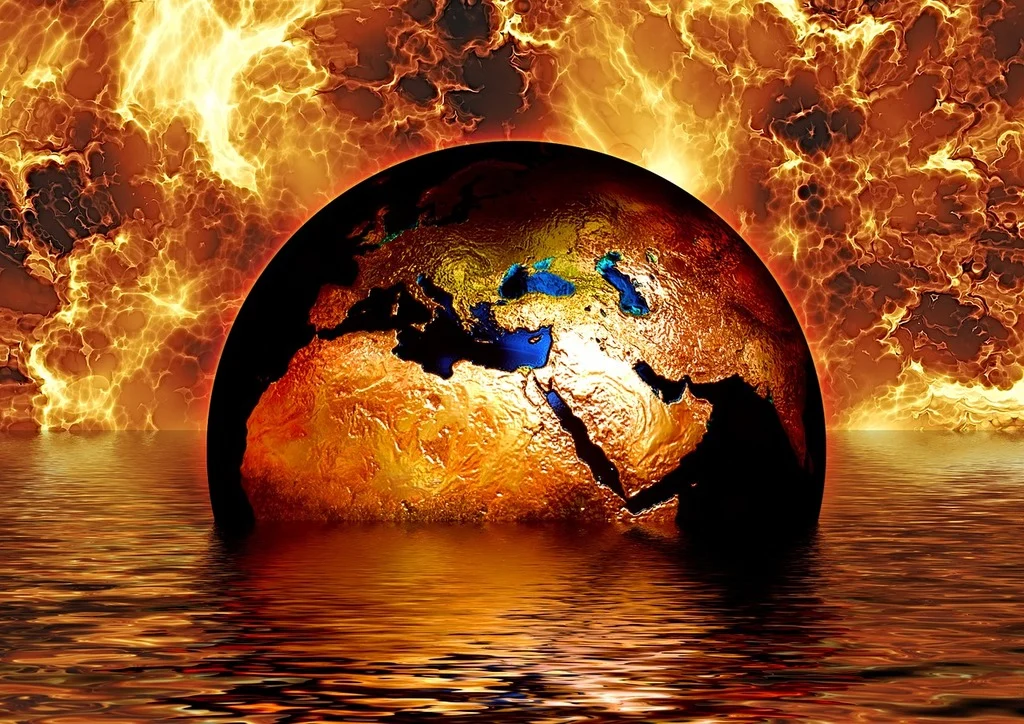 We don’t talk enough about the impact of war on climate change.
So, let me go straight in and highlight research from the Scientists for Global Responsibility Report in 2021, which found that the world’s militaries are responsible for around 6 percent of global greenhouse gas emissions. This is more than aviation and shipping combined. The crisis feeds itself, as the climate-driven resource scarcity increases the likelihood of conflict.
If the global military were a country, it would rank as the fourth-largest emitter in the world. The US military alone is one of the largest institutional consumers of oil on the planet. And yet, military emissions are rarely front and centre in climate conversations.
We cannot discuss the climate impact of war without first acknowledging its primary and devastating human toll. In Gaza, more than 75,000 people have been killed, with over half of the territory’s buildings destroyed or damaged. In Ukraine, tens of thousands of civilians have died, millions have been displaced, and environmental destruction continues to compound an already catastrophic humanitarian crisis.
But war does not only take lives. It scars the land.
It strips forests. It poisons soil with heavy metals and toxic residue. It contaminates water sources. Unexploded ordnance and debris render land unusable for decades. Entire ecosystems are disrupted. Biodiversity is erased. Recovery, if it comes at all, takes generations.
The latest escalation involving the US, Israel and Iran is not only geopolitically and economically destabilising, but also environmentally costly. Modern warfare runs on fossil fuels. Fighter jets, naval fleets, armoured vehicles, and supply chains are all carbon-intensive, all largely shielded from scrutiny.
The US military’s carbon footprint is larger than that of many entire nations. Yet historically, military emissions have often been excluded from binding international climate agreements or obscured through limited disclosure. In effect, one of the world’s largest polluters has operated with partial immunity.
At the same time, soaring military budgets drain public funds that could otherwise accelerate climate mitigation, adaptation, and resilience. Every billion spent on weapons is a billion not spent on renewable energy, flood defences, food security, or climate justice.
We cannot claim to be serious about climate action while ignoring the carbon cost of conflict.
Peace is not only a moral imperative. It is a climate strategy.
And until we recognise that, we are really fighting the wrong war.
Photocredit: Picryl